
How to Regulate Your Nervous System Based On 5 Types Of Women
We may earn commission from links on this page, but we only recommend products we love. Promise. You can read full disclosure here.
Have you ever noticed that the things bringing your best friend peace leave you feeling completely underwhelmed?
Maybe she loves a packed social calendar while you crave a slow morning at home.
Perhaps your idea of the perfect Saturday is wandering through a bookstore or taking a long walk, while someone else feels restored by reorganizing their living room.
It’s easy to dismiss these preferences as personality traits, but they may actually reveal something much deeper.
The way you naturally experience joy often reflects what your nervous system needs to feel safe.
When we think about nervous system regulation, we usually picture meditation, breathing exercises, or cold plunges.
While those tools can absolutely help, they aren’t the only answer. Sometimes how to regulate your nervous system has less to do with adding another wellness habit and more to do with understanding how your body is already trying to communicate with you.
Your nervous system is constantly scanning your environment, asking one simple question: Am I safe?
When the answer is yes, your body can relax, connect, create, and enjoy life. When the answer is no, your body shifts into survival mode, making it difficult to rest, concentrate, or even experience joy.
That’s why the activities that naturally make you feel alive aren’t random. They may be your body’s way of asking for exactly what it needs.
If you’ve been searching for how to regulate your nervous system, these five types of women might help you discover what truly restores you.
You Will Absolutely Love: In Survival Mode? Here’s How to Reset Your Feminine Energy
1. The Ritualist
If you’ve ever been told you’re “too particular” about your routines, there’s a good chance you’re a Ritualist.
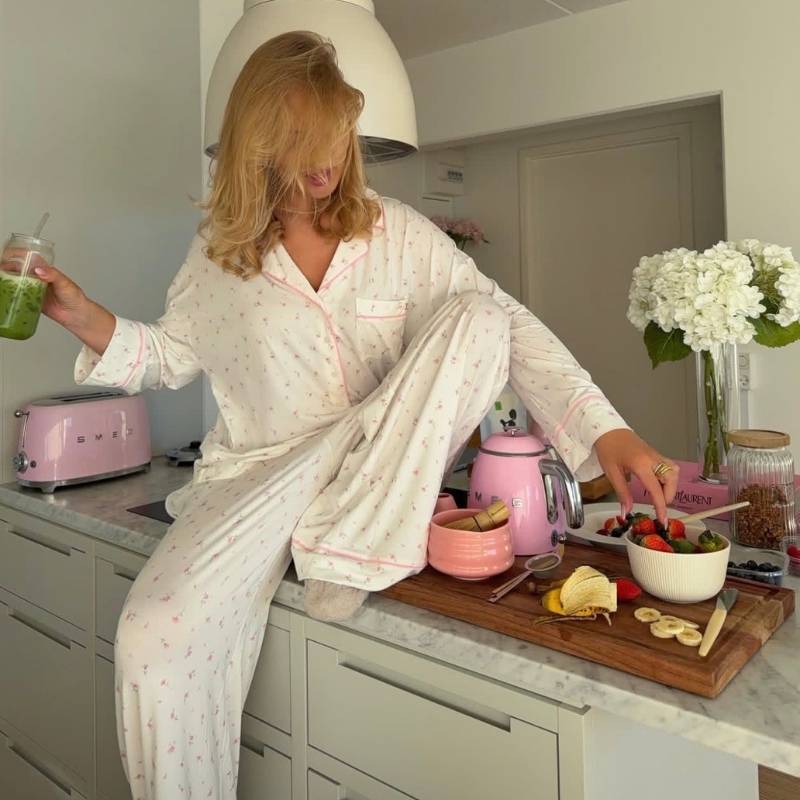
You have a favorite mug that somehow makes your coffee taste better. Your morning doesn’t officially begin until your candle is lit and your playlist is on. You might even have a skincare routine that feels less like a chore and more like a sacred ritual.
To someone else, these habits might seem unnecessary. To you, they’re everything.
The truth is, your nervous system isn’t attached to these rituals because you’re high-maintenance. It’s attached to them because they create predictability, and predictability helps your brain relax.
When your mornings follow a familiar rhythm, your brain doesn’t have to waste energy wondering what comes next. Those repeated habits quietly tell your body, You’re safe. We’ve done this before.
That’s why an unexpected interruption, rushed morning, an unpredictable schedule, or constant last-minute changes, can throw off your entire day.
It isn’t simply frustrating. It feels unsettling on a much deeper level because your nervous system has lost one of the anchors it depends on.
If this sounds familiar, stop feeling guilty for protecting your routines.
Instead, lean into them.
If you’re wondering how to regulate your nervous system, start by creating rituals you can rely on no matter how busy life becomes. Maybe that’s making your coffee before checking your phone, journaling for ten minutes each morning, stretching before bed, or ending every evening with a cup of herbal tea.
These habits might seem small, but over time they become signals of safety that your nervous system begins to recognize automatically.
For the Ritualist, healing doesn’t begin with doing more.
It begins with returning to the rhythms that remind her she’s okay.

2. The Wanderer
The Wanderer feels most like herself when she’s moving.
She isn’t necessarily chasing luxury vacations or extravagant adventures. Sometimes all she needs is a different walking route, a new café across town, or a solo drive with no destination in mind.
Movement gives her clarity. Exploration gives her energy. Novelty makes her feel alive.
If she’s been sitting at the same desk, staring at the same four walls, following the same routine for weeks, she begins feeling restless in ways she can’t quite explain. She may think she’s unmotivated or burned out, when in reality her nervous system is quietly craving something different.
For the Wanderer, new experiences don’t just create exciting memories, they provide emotional relief.
Her brain thrives when it’s exposed to fresh environments, unfamiliar scenery, and opportunities to explore. Every new street, park, bookstore, or hiking trail gently reminds her nervous system that life is expansive rather than confining.
That’s why one of the simplest ways to regulate your nervous system as a Wanderer is to intentionally build novelty into your week.
You don’t have to book an international flight every month.
Take your morning walk in a different neighborhood.
Visit a local museum.
Try a workout you’ve never done before.
Spend an afternoon exploring somewhere you’ve always driven past but never visited.
Learning how to regulate your nervous system doesn’t always involve slowing down. Sometimes, it means giving your body permission to keep moving toward something new.

3. The Nester
For some women, there’s nothing more comforting than coming home.
Not because they’re antisocial or homebodies, but because their environment has a direct impact on how they feel. If you’re the kind of woman who rearranges furniture just because something feels “off,” lights a candle before relaxing, or spends hours making your bedroom feel cozy, you might be a Nester.
To you, your home isn’t just where you live, it’s where your nervous system recovers.
When your space feels calm, you feel calm. When it’s cluttered, noisy, or chaotic, it’s almost impossible to switch off. You may find yourself feeling anxious without knowing why, only to realize that your overflowing laundry basket, messy kitchen counter, or harsh overhead lighting has been quietly overstimulating you all day.
There’s actually a reason for that.
Our surroundings constantly send messages to the brain. A peaceful, organized environment communicates safety, while clutter and visual chaos can keep your stress response activated. That’s why walking into a clean, beautifully styled room often feels like taking a deep breath.
If you’re learning how to regulate your nervous system, don’t underestimate the healing power of your environment.
You don’t need to spend thousands redecorating your home. Instead, focus on creating one small area that immediately makes you feel at peace. Maybe it’s a reading chair with a soft blanket, a beautifully made bed, or a corner filled with plants and warm lighting.
These little details aren’t frivolous.
They’re reminders to your nervous system that it’s finally safe enough to rest.

4. The Sensualist
The Sensualist experiences life through her senses.
She’s the woman who notices how luxurious a fabric feels against her skin, who can spend twenty minutes choosing the perfect perfume, or who lights up after tasting an incredible meal.
She doesn’t just consume things she savours every experience.
When she slows down enough to notice the smell of fresh flowers, the warmth of the sun, or the first sip of coffee in the morning, she feels completely present.
But chronic stress changes that.
When her nervous system stays in survival mode for too long, her ability to experience pleasure begins to fade.
Dr Bessel Van Der Kolk’s groundbreaking research (detailed in his book, The Body Keeps the Score) highlights that when the body undergoes prolonged stress, the brain dampens these internal responses to protect against visceral pain which subsequently limits the ability to feel pleasure, sensuality and emotional connection.
Food tastes like nothing, colours become flat, music fades into background noise. Beautiful moments barely register because our brain is focused on staying alert instead of enjoying the present.
If you’ve ever looked forward to something only to feel strangely numb once it finally happened, your nervous system may simply be overwhelmed.
One of the most effective ways to regulate your nervous system as a Sensualist is to intentionally reconnect with your senses every day.
Wear the perfume you’ve been saving.
Buy yourself fresh flowers from the grocery store.
Drink your tea without scrolling your phone.
Massage body oil into your skin after your shower instead of rushing through your routine.
Pause long enough to notice how your favorite dessert actually tastes.
These moments might seem insignificant, but they’re powerful reminders that life is meant to be experienced, not simply survived.
When you’re wondering how to regulate your nervous system, remember that slowing down enough to truly notice your surroundings can be one of the most healing practices of all.
5. The Unplugged Woman
In a world that’s constantly demanding your attention, the Unplugged Woman chooses something different.
She isn’t trying to keep up with every trend or respond to every notification.
Instead, she protects her attention like it’s one of her greatest assets.
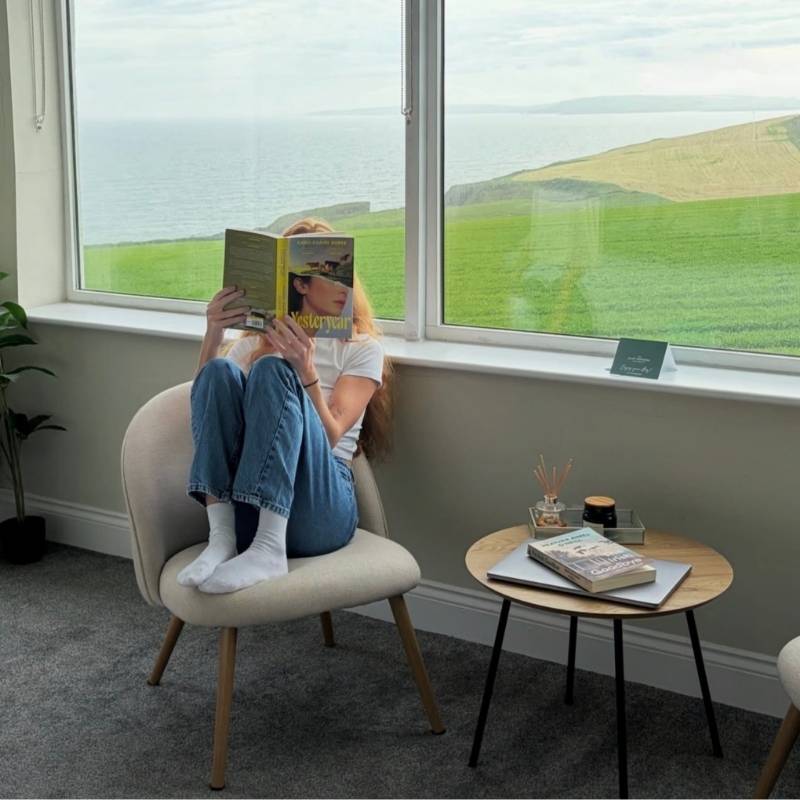
She prefers physical books over endless scrolling and enjoys writing in a journal instead of typing notes into her phone. She leaves her phone face down during dinner and doesn’t feel guilty about disappearing from social media for a while.
To some people, this lifestyle seems old-fashioned.
To her, it’s freedom.
Her nervous system thrives on do not disturb mode.
Unfortunately, modern life isn’t designed for women like her.
Every notification, email, text message, and social media alert asks the brain to shift its attention. Over time, those constant interruptions create mental fatigue, making it difficult to focus, relax, or even think creatively.
That’s why the Unplugged Woman often feels noticeably calmer after spending an afternoon reading, gardening, baking, or doing anything that doesn’t require a screen.
If this sounds like you, one of the best ways to regulate your nervous system is by creating intentional breaks from technology throughout your day.
Leave your phone in another room while you work.
Read ten pages of a book before bed.
Journal with pen and paper instead of opening another app.
Eat lunch without watching a video.
These simple habits create space for your nervous system to settle, allowing your mind to slow down instead of constantly jumping from one distraction to the next.
Sometimes how to regulate your nervous system isn’t about adding another wellness habit to your self care checklist.
Sometimes it’s simply about creating enough silence to hear yourself think again.
Which Type of Woman Are You?
Now that you’ve met the five types of women, you may have recognized yourself in one or even several of them.
That’s completely normal.
We’re all influenced by different experiences, seasons of life, and stress levels. While you might naturally be a Ritualist, there may be times when your nervous system craves the quiet of the Unplugged Woman or the adventure of the Wanderer.
The key is paying attention.
Instead of forcing yourself to follow someone else’s self-care routine, ask yourself a different question:
When do I feel most like myself?
Your answer is often the biggest clue to how to regulate your nervous system.
If you love routines, protect them.
Maybe movement clears your mind, make space for it.
If your home is your sanctuary, create an environment that supports your peace.
If beauty awakens something inside you, stop saving it for special occasions.
And if constant digital noise leaves you exhausted, give yourself permission to unplug without guilt.
The goal of nervous system regulation isn’t to become someone else. It’s to understand the unique ways your own body experiences safety.
The more often you respond to those needs, the less time you’ll spend stuck in survival mode and the more time you’ll spend feeling calm, present, and emotionally resilient.
Learning how to regulate your nervous system isn’t about achieving a perfectly balanced life. It’s about creating small, intentional moments that remind your body it’s safe to soften.
Because when your nervous system feels supported, everything else, from your relationships to your productivity, creativity, and confidence has room to flourish.