








We may earn commission from links on this page, but we only recommend products we love. Promise. You can read full disclosure here.
How to get clear skin overnight? Yeah… we’ve all Googled that at least once (or like 50 times).
You know that moment when you try a “miracle” skincare hack before bed… and wake up with three new pimples like your skin is playing games? Yeah. Same 😭
At this point, you’ve probably tried everything, random TikTok hacks, overpriced products, drinking a gallon of water like it’s a personality trait and somehow your skin still said “Yeah, no thanks.”
So let’s cut the nonsense.
No 20-step routines. No fake “drink lemon water and manifest clear skin” advice.
Just real, no-BS clear skin hacks that actually help your skin calm down overnight (or at least stop betraying you by morning).
Because honestly? You deserve to wake up, check the mirror, and not get personally offended.
Okay, so here are my tips on how to get clear skin overnight, let’s just get right into it!
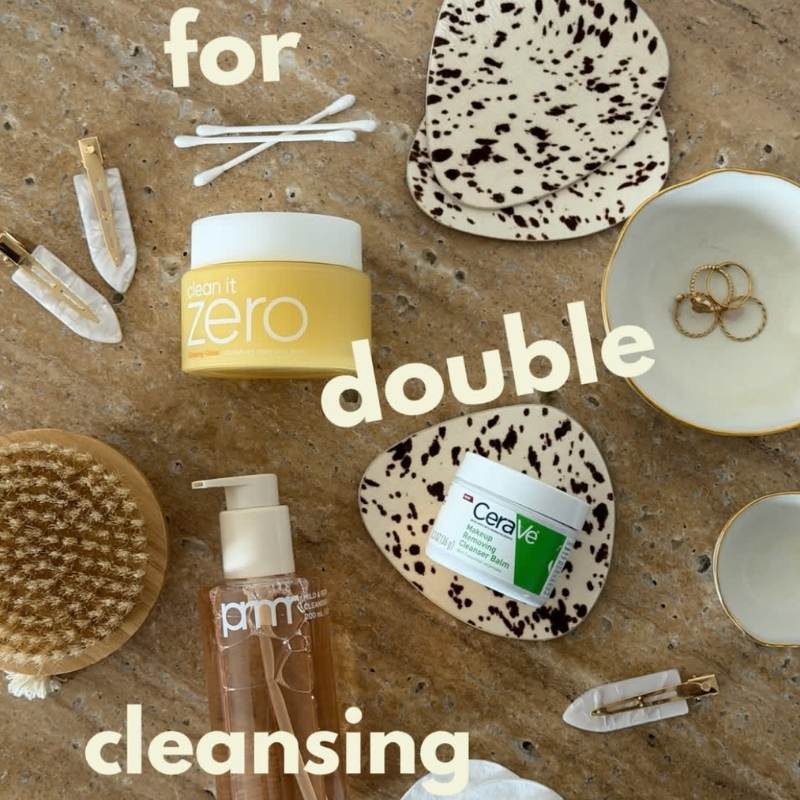
1. Double cleanse at night (especially if you wear makeup or SPF).
Double cleansing means washing your face in two steps instead of one and it makes a huge difference in how clean your skin actually gets.
Step 1: Use an oil-based cleanser (or cleansing balm) to break down makeup, sunscreen, excess oil, and dirt. Oil dissolves oil, so this step melts everything off without harsh scrubbing.
Step 2: Follow with a gentle water-based cleanser to remove sweat, bacteria, and any leftover residue.
Makeup and sunscreen are designed to stick to your skin. A regular cleanser often doesn’t fully remove them, which can lead to clogged pores, breakouts, and dullness.
Double cleansing ensures your pores are actually clean before you apply your skincare.
Clear skin tip: Even if you don’t wear makeup, sunscreen alone is enough reason to double cleanse at night.
2. Wash your pillowcase at least twice a week.
Your pillowcase collects way more than you think, oil from your hair, sweat, skincare residue, dead skin cells, and even bacteria. And every night, your face is pressed right against it for hours.
If you’re sleeping on the same pillowcase for a week or longer, you’re basically reintroducing all that buildup back onto freshly cleansed skin.
Dirty pillowcases can clog pores, trigger breakouts (especially on your cheeks and jawline), and even irritate sensitive skin.
If you ever notice one side of your face breaking out more than the other, your pillowcase might be the culprit.
Clear skin hack:
- Change it at least 2x per week.
- If you’re acne-prone, every 2–3 days is even better.
- In between washes, flip your pillow to the clean side.
3. Don’t touch your face during the day.
Your hands touch everything; your phone, door handles, keyboards, money, steering wheels.
Throughout the day, they collect bacteria, dirt, and oils. When you touch your face, you transfer all of that acne-causing bacteria straight onto your skin.
Even resting your chin on your hand can cause problems over time. It can also irritate active pimples and make them last longer.
Clear skin tip:
- Be mindful of unconscious habits like picking, scratching, or leaning on your hands.
- If you need to touch your face (like applying lip balm), make sure your hands are clean.
- Keep your nails short if you tend to pick.
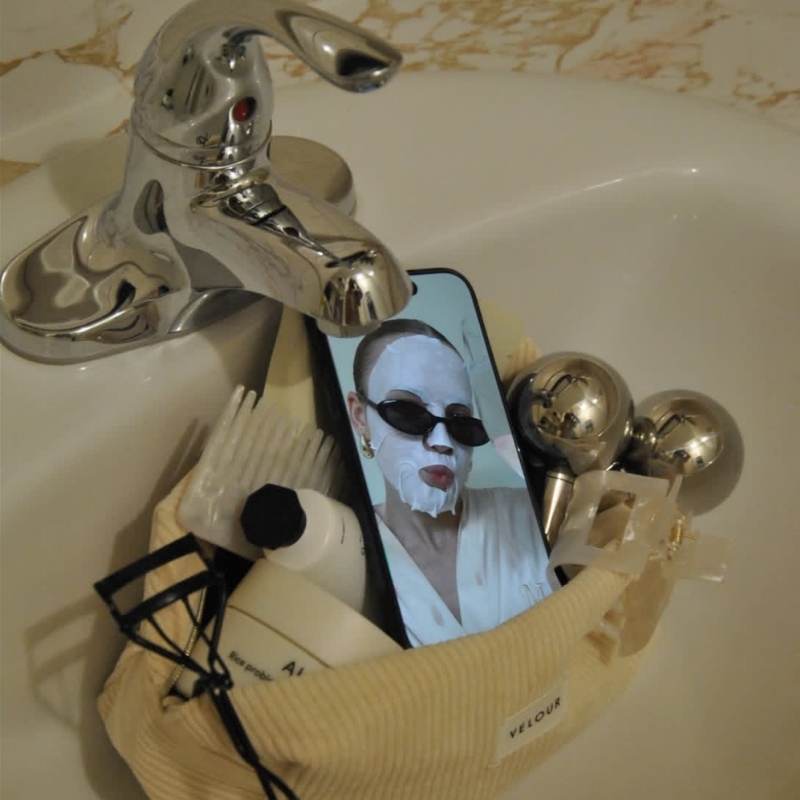
4. Clean your phone screen daily.
Think about how often your phone touches your hands, tables, bags, gym equipment… and then goes straight to your cheek. Your screen collects oil, dirt, bacteria, and makeup residue all day long.
When you press it against your face, that buildup transfers directly onto your skin — especially around your cheeks and jawline.
If you get breakouts on the side of your face where you usually hold your phone, your screen could be the reason. Constant contact can clog pores and irritate sensitive skin.
Clear skin tip:
- Wipe your phone daily with an alcohol-based screen wipe or disinfecting cloth.
- Avoid pressing it tightly against your cheek.
- Use speaker mode or headphones when possible.
It’s such an easy habit, but it can seriously reduce “mystery” breakouts.
5. Use a gentle cleanser, not one that leaves your skin tight.
If your skin feels squeaky, tight, or dry right after washing your face, your cleanser is likely too harsh.
That tight feeling isn’t cleanliness, it’s your skin barrier being stripped of its natural oils. Your skin needs some natural oil to stay balanced and healthy.
Gentle skincare = happy skin barrier = clearer skin long term.
When you over-strip your skin, it can respond by producing more oil to compensate.
That often leads to clogged pores, breakouts, irritation, and sensitivity. A damaged skin barrier can also make redness and acne worse.
Clear skin tip:
- Choose a low-foam, gel or creamy cleanser suited for your skin type.
- Avoid strong sulfates if your skin is dry or sensitive.
- After cleansing, your skin should feel clean but comfortable, not tight or itchy.
6. Always remove makeup before bed (no exceptions).
Sleeping in your makeup might seem harmless “just this once,” but overnight it mixes with oil, sweat, and bacteria basically creating the perfect environment for clogged pores.
Foundation, concealer, blush, even mascara, all of it blocks your skin from properly renewing itself while you sleep.
At night, your skin goes into repair mode. If it’s covered in makeup, that process gets interrupted. This can lead to breakouts, dullness, enlarged pores, and even faster skin aging over time.
Clear skin tip:
- Keep micellar water or wipes by your bed for emergency lazy nights (but still cleanse properly when you can).
- Follow makeup removal with a gentle cleanser, don’t rely on wipes alone.
- Think of removing makeup as part of self-care, not a chore.
Future you with clear, glowing skin will be so glad you didn’t skip it!
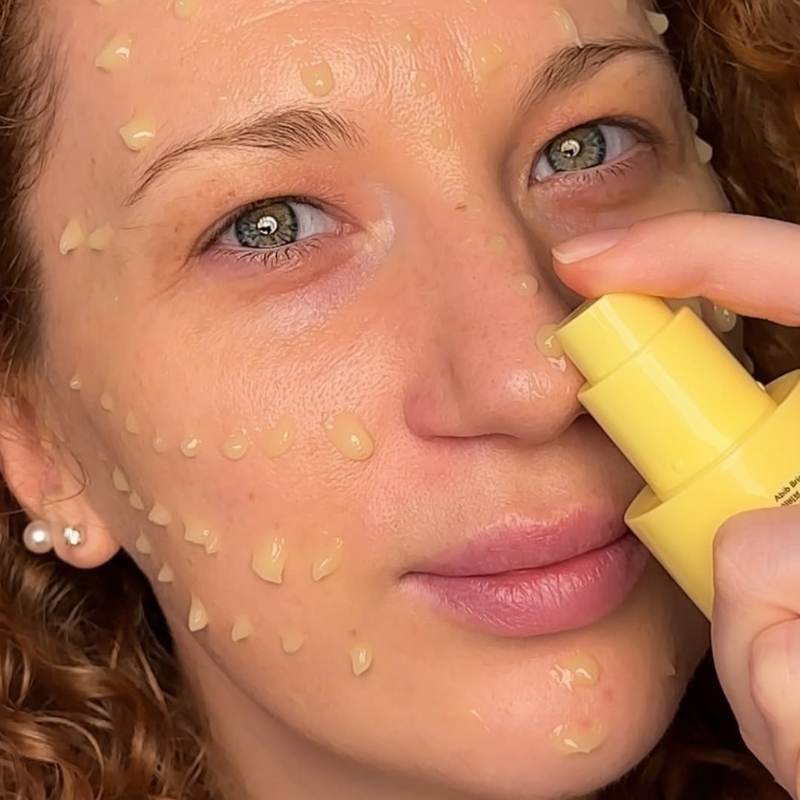
7. Wear SPF every single day even when it’s cloudy.
Sunscreen isn’t just for beach days. UV rays penetrate through clouds, windows, and even your car windshield.
That means your skin is exposed to damage whether it’s sunny, overcast, or you’re just running errands. And yes, indoor light exposure over time still counts.
UV damage leads to dark spots, hyperpigmentation, premature aging, and can make acne scars stick around longer.
If you’re using actives like retinol or exfoliating acids, SPF becomes even more important because your skin is more sensitive to the sun.
How to get clear skin:
- Use at least SPF 30 daily.
- Apply two finger-lengths worth for your face and neck.
- Make it the last step in your morning skincare routine.
If you want clear, even-toned skin long term, sunscreen is your best friend. No shortcuts here
8. Reapply sunscreen every 2–3 hours outdoors.
Putting on sunscreen in the morning is amazing but it doesn’t last all day. SPF breaks down with sun exposure, sweat, oil production, and even just time passing.
If you’re outside, at the beach, walking around, or sitting near direct sunlight, your protection fades faster than you think.
Once sunscreen wears off, your skin is unprotected again. That means higher risk of sunburn, hyperpigmentation, dark spots, and acne marks getting darker.
If you’re working hard to fade scars or keep your skin clear, skipping reapplication can undo that progress.
How to get clear skin :
- Reapply every 2–3 hours when outdoors.
- Use SPF sprays or sticks for easy touch-ups over makeup.
- If you’re sweating or swimming, reapply even sooner.
9. Exfoliate 1–3 times a week (not daily).
Exfoliation helps remove dead skin cells, unclog pores, smooth texture, and brighten your complexion.
It’s amazing when done right. But doing it every day? That’s how to get more breakouts instead of clear skin
Your skin needs time to renew itself naturally. Over-exfoliating can cause redness, sensitivity, breakouts, tightness, and even more oil production.
Instead of clearer skin, you end up with a damaged barrier that’s harder to fix.
Clear skin tip:
- Stick to 1–3 times per week depending on your skin type.
- Use chemical exfoliants (like AHAs or BHAs) instead of harsh scrubs if you’re acne-prone.
- If your skin stings or feels irritated, take a break.
10. Don’t mix too many active ingredients at once.
Actives like retinol, salicylic acid, glycolic acid, benzoyl peroxide, and vitamin C are powerful and that’s exactly why you have to be careful with them. Using too many in one routine can overwhelm your skin.
Just because each ingredient works on its own doesn’t mean they all work well together at the same time.
Layering multiple strong actives can cause irritation, redness, peeling, dryness, and barrier damage. And once your barrier is compromised, breakouts often get worse not better.
Clear skin tip:
- Start with one active at a time.
- Alternate actives on different nights instead of stacking them.
- Focus on hydration when using strong treatments.
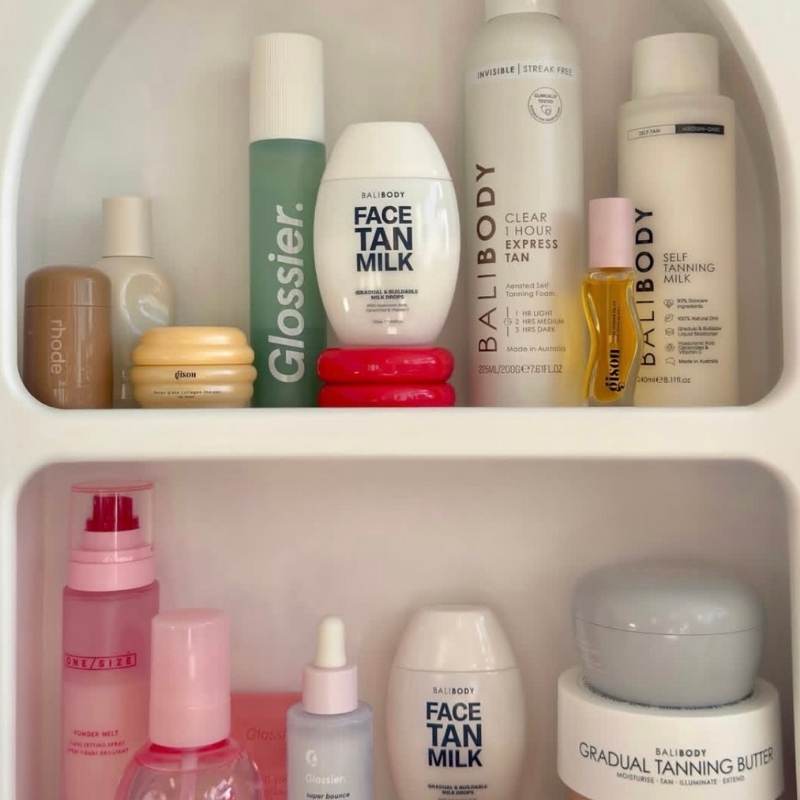
11. Introduce new products slowly (one at a time).
It’s tempting to start a whole new routine at once; new cleanser, new serum, new moisturizer, especially when you’re excited. But if your skin reacts, you won’t know which product caused it.
Slow introductions protect your skin and your sanity.
If you add multiple new products at once and get irritation or breakouts, it becomes almost impossible to figure out the culprit. That often leads to stopping everything, which resets your progress.
Clear skin tip:
- Add one new product every 1–2 weeks.
- Give your skin time to adjust before introducing something else.
- If irritation happens, you’ll know exactly what caused it.
12 Best Korean Skincare Products I Tried – Spoiler Alert: It Works!
12. Stop over-washing your face (twice a day is enough).
Washing your face more than twice a day might feel like you’re keeping it extra clean, especially if you’re oily or breaking out, but it can actually make things worse.
Your skin naturally produces oils to protect and balance itself. When you wash too often, you strip those protective oils away.
Over-washing can dry out your skin, weaken your barrier, and trigger even more oil production to “make up” for what was removed. That extra oil can lead to clogged pores and more breakouts.
Sometimes doing less is exactly what your skin needs.
Clear skin tip:
- Cleanse in the morning and at night, that’s enough for most people.
- If you sweat during the day, rinse with water or use a gentle cleanser just once more if truly needed.
- Blotting papers are better than re-washing for midday shine.
13. Use lukewarm water, not hot water.
Hot water might feel relaxing, especially in the shower, but it can be too harsh for your face. High temperatures strip away your skin’s natural oils and can weaken your protective barrier.
Using hot water regularly can lead to dryness, redness, sensitivity, and even increased oil production as your skin tries to compensate. Over time, this can contribute to irritation and breakouts.
Clear skin tip:
- Stick to lukewarm water when cleansing.
- If you love hot showers, wash your face at the sink separately.
- Pat your skin dry gently, don’t rub.
14. Moisturize even if you have oily skin.
A lot of people with oily or acne-prone skin skip moisturizer because they’re scared it will make them shinier or cause breakouts. But skipping it can actually make oiliness worse.
When your skin is dehydrated, it often produces more oil to compensate.
Without moisturizer, your skin barrier can become unbalanced and irritated.
That irritation can lead to increased oil production, clogged pores, and more breakouts. Hydrated skin is healthier, calmer, and better able to regulate itself.
Clear skin tip:
- Choose a lightweight, oil-free, or gel-based moisturizer if you’re oily.
- Look for ingredients like hyaluronic acid or ceramides.

15. Apply skincare on slightly damp skin.
Right after cleansing, your skin is slightly damp and that’s actually the perfect time to apply certain products. Damp skin helps ingredients absorb more effectively and can boost hydration.
Especially when it comes to hydrating serums and moisturizers, timing matters.
When you apply products like hyaluronic acid to dry skin, they don’t perform as well. On slightly damp skin, they help draw in and lock in moisture more efficiently leaving your skin plumper and smoother.
How to get clear skin:
- Don’t wait until your face is fully dry before applying hydrating products.
- Gently pat (don’t completely dry) your skin after cleansing.
- Seal everything in with moisturizer to prevent moisture loss.
16. Don’t pick or pop pimples.
As tempting as it is, squeezing or picking at a pimple almost always makes things worse. When you pop it, you push bacteria and inflammation deeper into the skin and that can turn a small breakout into a bigger, angrier one.
Plus, your nails introduce even more bacteria.
Picking increases swelling, delays healing, and dramatically raises your chances of post-acne marks and scarring. Sometimes the mark left behind lasts way longer than the pimple would have if you’d just left it alone.
Clear skin tip:
- Use a hydrocolloid patch to protect and flatten pimples safely.
- Keep your hands busy if you tend to pick unconsciously.
- If it’s a deep or painful breakout, let it heal naturally or see a dermatologist.
17. Use hydrocolloid patches instead of squeezing.
Hydrocolloid patches are those small, clear stickers you place directly over a pimple. They work by absorbing excess fluid, oil, and pus from the breakout while protecting it from bacteria and your fingers.
Basically, they do the “extraction” gently without the damage.
When you squeeze a pimple, you risk pushing bacteria deeper into the skin, increasing inflammation, and causing scarring.
Hydrocolloid patches help flatten pimples faster while reducing redness and the temptation to touch them.
Clear skin tip:
- Apply the patch on clean, dry skin.
- Leave it on for several hours or overnight.
- Don’t use them on deep cystic acne, they work best on whiteheads or surface-level pimples.
18. Change your face towel often (or use paper towels).
Your face towel absorbs water, leftover cleanser, dead skin cells, and bacteria every time you use it.
If you keep reusing the same towel for days, you’re basically patting yesterday’s buildup back onto freshly cleansed skin.
Even if it looks clean, it’s not.
Damp towels are the perfect environment for bacteria to grow. Using the same one repeatedly can contribute to clogged pores, irritation, and random breakouts, especially if you’re acne-prone or have sensitive skin.
Clear skin tip:
- Change your face towel every 1–2 days.
- Let it fully dry between uses.
- Or use disposable paper towels to gently pat your face dry.
It’s such a small hygiene habit, but it can make a surprisingly big difference in keeping your skin calm and clear.
How To Get Rid Of Pimples Fast: The No Bullsh*t Guide
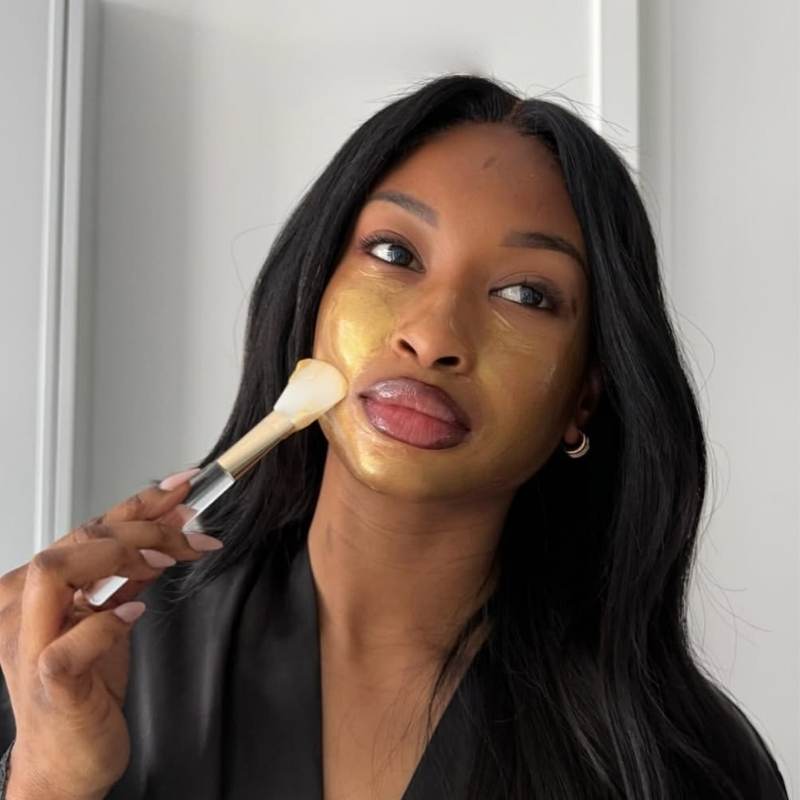
19. Clean makeup brushes weekly.
Your makeup brushes collect foundation, powder, oil, dead skin cells, and bacteria every single time you use them. If you’re using dirty brushes, you’re basically reapplying old makeup and germs back onto clean skin.
It doesn’t matter how good your skincare is if your tools are dirty.
Bacteria buildup on brushes can clog pores, trigger breakouts, and cause irritation especially on your cheeks and forehead where foundation and blush are applied most.
Think of clean brushes as part of your skincare routine not just your makeup routine
Clear skin tip:
- Wash brushes at least once a week (more often if you’re acne-prone).
- Use gentle soap or brush cleanser.
- Let them dry completely before using again.
20. Check your hair products they can clog pores.
Your shampoo, conditioner, leave-ins, oils, edge control, and styling creams don’t just stay in your hair. They transfer onto your forehead, temples, cheeks, neck and even your pillowcase.
Many hair products contain heavy oils, silicones, and butters that can clog pores, especially along your hairline. This is sometimes called “pomade acne.”
If you’re breaking out around your forehead, temples, or jawline, your hair products could be the reason not your skincare. Thick or greasy formulas can block pores and trap bacteria.
Clear skin tip:
- Rinse your face after washing out conditioner in the shower.
- Avoid heavy hair products touching your skin.
- Tie your hair back at night if it’s coated in product.
- Look for lighter, non-comedogenic formulas if you’re acne-prone.
21. Keep conditioner away from your face in the shower.
Conditioners are usually thick and packed with moisturizing ingredients like silicones, oils, and butters. They’re amazing for your hair but not so great for your pores.
When conditioner runs down your forehead, cheeks, or back in the shower, it can leave behind a residue that clogs pores.
This is a super common cause of forehead breakouts, back acne (“bacne”), and even chest breakouts. If you’ve ever noticed pimples along your hairline or upper back, your conditioner might be the culprit.
Clear skin tip:
- Clip your hair up while your conditioner sits.
- Rinse thoroughly, keeping your face tilted away from the water.
- Wash your face and body after rinsing out conditioner to remove any leftover residue.
22. Use non-comedogenic products.
“Non-comedogenic” means a product is formulated not to clog pores. Since clogged pores are one of the main causes of acne, choosing products labeled this way can make a big difference especially if you’re breakout-prone.
Not all oils, creams, or makeup products are bad… but some are heavier and more likely to block pores.
Using pore-clogging products can lead to blackheads, whiteheads, and painful breakouts over time even if your skincare routine is otherwise solid. Sometimes the issue isn’t how much you’re using, but what you’re using.
Choosing pore-friendly products sets your skin up for success from the start
Clear skin tip:
- Look for “non-comedogenic” or “won’t clog pores” on labels.
- Be cautious with thick, greasy formulas if you’re acne-prone.
- Remember: even non-comedogenic products can react differently depending on your skin type.
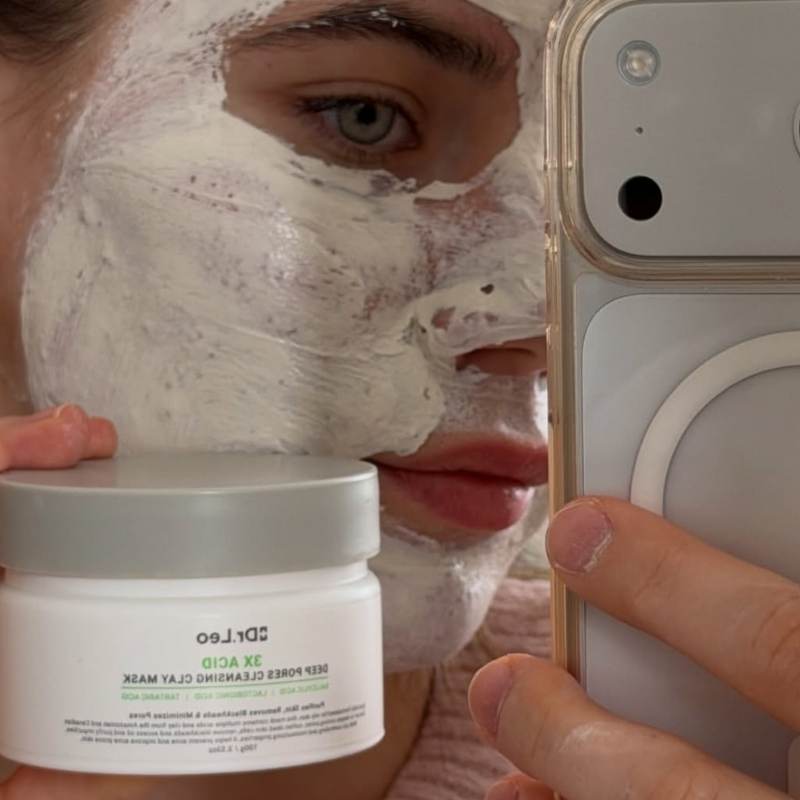
23. Avoid harsh physical scrubs.
Those gritty scrubs with large beads or rough particles might feel like they’re deep-cleaning your skin, but they can actually cause tiny tears and irritation especially if you’re scrubbing hard.
Your skin isn’t meant to be sanded down.
Harsh scrubs can damage your skin barrier, cause redness, increase sensitivity, and even spread bacteria around active breakouts.
Instead of clearer skin, you can end up with more inflammation and more acne.
Clear skin tip:
- Choose gentle chemical exfoliants (like AHAs or BHAs) instead of rough scrubs.
- If you prefer physical exfoliation, pick something very fine and use a light touch.
- Never scrub active pimples.
24. Balance actives with hydration.
Actives like retinol, salicylic acid, glycolic acid, and benzoyl peroxide are amazing for acne, texture, and glow but they can also be drying and irritating if not balanced properly.
If you focus only on treating breakouts and skip hydrating products, your skin barrier can become compromised.
That leads to redness, flaking, tightness, and sometimes even more breakouts. Strong ingredients work best on skin that’s supported not stripped.
Clear skin tip:
- Pair actives with hydrating serums (like hyaluronic acid) and barrier-repair ingredients (like ceramides).
- Use a nourishing moisturizer after treatments.
- Take “rest days” from actives if your skin feels irritated.
25. Don’t skip your neck in skincare.
Your neck is an extension of your face, but it’s often forgotten in daily routines. The skin there is thinner and can show signs of aging, sun damage, and pigmentation just as quickly sometimes even faster.
Sun exposure, dryness, and neglect can lead to dark spots, fine lines, and sagging over time which leads to the infamous “turkey neck”.
And if you’re applying active ingredients on your face but not protecting your neck with SPF, the difference can become noticeable.
Clear skin tip:
- Bring your cleanser, serums, and moisturizer down to your neck.
- Always apply sunscreen to your neck (and even your chest).
- Use upward, gentle motions when applying products.

26. Get at least 7–8 hours of sleep.
Your skin does most of its repairing while you sleep. During the night, your body increases blood flow to the skin and works on repairing damage from things like sun exposure, pollution, and stress.
That’s why sleep is often called “beauty sleep.”
Not getting enough sleep can lead to dull skin, more noticeable dark circles, increased stress hormones, and even more breakouts.
When your body is tired, it produces more cortisol, which can trigger inflammation and acne.
How to get clear skin:
- Aim for 7–8 hours of quality sleep each night.
- Try to keep a consistent bedtime schedule.
- Sleep on a clean pillowcase and avoid sleeping in makeup.
27. Drink enough water daily.
Your skin is made up of cells that need water to function properly. When your body is dehydrated, your skin can start to look dull, tired, and less plump.
While water alone won’t magically cure acne, staying hydrated helps your body maintain overall skin and gut health.
Proper hydration supports your skin barrier, helps maintain elasticity, and can reduce the appearance of dryness and flakiness.
When your skin is well-hydrated, it often looks smoother, brighter, and more balanced.
Clear skin tip:
- Aim for around 6–8 glasses of water a day, depending on your activity level and climate.
- Eat water-rich foods like cucumbers, oranges, and watermelon.
- If plain water is boring, add lemon or mint for flavor.
28. Eat more antioxidant-rich foods.
Antioxidants help protect your skin from damage caused by pollution, UV exposure, and everyday environmental stress.
They work by fighting free radicals, which can contribute to premature aging, dullness, and inflammation.
When your diet includes antioxidant-rich foods, you’re supporting your skin from the inside out.
Antioxidants can help keep your skin looking brighter, calmer, and healthier over time. They may also help reduce inflammation, which is often linked to breakouts and redness.
Clear skin tip:
- Add colorful fruits and vegetables to your meals.
- Great antioxidant-rich options include berries, spinach, kale, carrots, sweet potatoes, and green tea.
- The more colorful your plate is, the better it usually is for your skin.

29. Reduce excess sugar intake.
Eating a lot of sugary foods and drinks can cause spikes in your blood sugar levels.
When this happens, your body releases more insulin, which can increase oil production and trigger inflammation in the skin.
Both of these can contribute to breakouts.
Diets high in sugar have been linked to acne flare-ups for some people.
Too much sugar may also contribute to a process called glycation, which can damage collagen and affect your skin’s firmness and elasticity over time.
Your skin often reflects what’s happening inside your body, so balanced eating can make a real difference over time.
How to get clear skin:
- Try to limit sugary drinks, candy, and heavily processed snacks.
- Choose whole foods like fruits, nuts, herbal teas and balanced meals instead.
- You don’t have to cut sugar completely, just aim for moderation.
This Green Juice Recipe Cleared My Skin and Changed My Life
30. Manage stress levels.
When you’re stressed, your body releases a hormone called cortisol. High cortisol levels can increase oil production in your skin and trigger inflammation, both of which can lead to breakouts.
That’s why many people notice acne flare-ups during stressful periods like exams, deadlines, or lack of sleep.
Chronic stress can make existing acne worse and slow down your skin’s ability to heal. It can also weaken your skin barrier, making your skin more sensitive and reactive.
Clear skin tip:
- Make time for activities that help you relax, like walking, journaling, or listening to music.
- Try deep breathing, stretching, or meditation when you feel overwhelmed.
- Getting enough sleep also helps regulate stress hormones.
31. Don’t copy someone else’s routine blindly.
It’s easy to see someone with glowing skin on social media and want to copy their exact routine — same cleanser, same serums, same treatments. But what works for one person might not work for another.
Everyone’s skin is different. Your skin type, sensitivity, climate, lifestyle, and even hormones all play a role in how your skin reacts to products.
Following someone else’s routine without considering your own skin’s needs can lead to irritation, breakouts, or wasted money on products that simply aren’t right for you.
Clear skin tip:
- Focus on understanding your own skin type (oily, dry, combination, sensitive).
- Introduce products based on what your skin needs.
- Use other routines as inspiration, not a strict blueprint.
32. Patch test new products.
Before applying a new skincare product all over your face, it’s a good idea to test it on a small area of skin first. This helps you see how your skin reacts without risking a full-face reaction.
Even products that are labeled “gentle” or “for sensitive skin” can still cause irritation for some people.
Clear skin tip:
- Apply a small amount of the product behind your ear or on your inner arm or even your jawline.
- Wait 24 hours to see if any irritation appears.
- If your skin stays calm, it’s usually safe to introduce into your routine.

33. Use a silk or satin pillowcase.
Silk and satin are gentler on the skin.
Because these fabrics absorb less moisture, they help your skin stay more hydrated overnight. The smooth surface also reduces friction, which may help prevent irritation and minimize sleep lines on your face.
Clear skin tip:
- Choose a silk or satin pillowcase instead of rough cotton.
- Still wash it regularly to prevent oil and bacteria buildup.
- It can also help reduce hair frizz and breakage.
34. Avoid heavy oils if you’re acne-prone.
Facial oils help lock in moisture, repair the skin barrier, balance oil production and give the skin a healthy, natural glow.
But, you have to be mindful of the oils you use.
Not all facial oils are bad for acne-prone skin, but some thicker oils can clog pores and trigger breakouts.
Heavy oils tend to sit on the skin and trap bacteria, sweat, and dead skin cells, which can lead to blackheads and pimples.
Instead of avoiding oils completely, the key is choosing lightweight, non-comedogenic oils (meaning they’re less likely to clog pores).
The comedogenic scale ranks ingredients from 0–5, where lower numbers are less likely to cause clogged pores.
Clear skin tip:
If you want to use facial oils, try lightweight options like:
- Jojoba oil – very similar to your skin’s natural sebum, which can help balance oil production.
- Rosehip oil – rich in antioxidants and vitamin C, often used to help with inflammation and acne marks.
- Squalane oil – extremely lightweight and non-comedogenic, making it a safe starting oil for most skin types.
- Grapeseed oil – high in linoleic acid and antioxidants, which can help support acne-prone skin.
- Hemp seed oil – lightweight and calming, often recommended for redness and breakouts.
35. Use salicylic acid for clogged pores.
Salicylic acid is a type of beta hydroxy acid (BHA) that penetrates deep into the pores to dissolve excess oil, dead skin cells, and buildup that can cause blackheads and breakouts.
Unlike some exfoliants that work only on the surface of the skin, salicylic acid goes inside the pore to clear out congestion, making it especially effective for oily and acne-prone skin.
Clear skin tip:
- Look for cleansers, toners, or serums with 0.5–2% salicylic acid.
- Start using it once a week then build up to 2–3 times a week to avoid irritation.
- Always follow with sunscreen to keep your skin protected.
36. Use niacinamide for redness and oil control.
Niacinamide (a form of vitamin B3) is a gentle skincare ingredient that helps regulate oil production while calming redness and irritation.
It’s suitable for most skin types and works well with many other skincare ingredients.
Excess oil can clog pores and lead to breakouts, while redness can make the skin look inflamed and uneven.
Niacinamide helps balance oil levels, soothe the skin, and improve overall texture.
Clear skin tip:
Look for serums with 2–5% niacinamide and apply them after cleansing to help keep your skin calm, balanced, and less oily.
Niacinamide works in serums, toners, and creams, so you can choose whichever fits best into your skincare routine.

37. Use retinol at night (and start slow).
Retinol is a powerful skincare ingredient that helps speed up cell turnover, which can improve acne, smooth skin texture, and reduce the appearance of fine lines.
Because it’s strong, it’s important to introduce it slowly so your skin can adjust.
Using retinol too often at the beginning can cause dryness, redness, or peeling.
Starting slowly helps your skin build tolerance while still allowing you to enjoy its long-term benefits.
Clear skin tip:
Start using retinol 1–2 nights per week, then gradually increase as your skin becomes more comfortable. Always moisturize afterward and wear sunscreen during the day.
38. Keep skincare simple when your skin is irritated.
When your skin becomes red, sensitive, or irritated, using too many products can make things worse.
Instead of adding more treatments, it’s better to simplify your routine and give your skin time to recover.
Why it matters:
Irritated skin usually means your skin barrier is compromised. Continuing to use strong ingredients during this time can increase redness, dryness, and breakouts.
How to get clear skin:
Stick to the basics for a few days; a gentle cleanser, a soothing moisturizer, and sunscreen, until your skin feels calm again.
39. Stop using expired products.
I know we’re all guilty of this.
Skincare and makeup products don’t last forever. Over time, their ingredients can break down and bacteria can grow inside the product, especially after it has been opened and exposed to air.
Using expired products can irritate your skin, clog pores, and even cause breakouts or infections.
They also become less effective, meaning you may not get the results you expect.
Clear skin tip:
Check the expiration date or the “PAO” (period after opening) symbol on your products, and replace anything that smells strange, changes color, or has an unusual texture.
40. Don’t layer too many products at once.
Using too many skincare products in one routine can overwhelm your skin and make it harder for ingredients to work properly.
More products don’t always mean better results.
Layering too many products can cause irritation, clogged pores, and product pilling. It can also make it difficult to tell which product is actually helping your skin.
Clear skin tip:
Stick to a simple routine with a few effective products; usually a cleanser, treatment or serum, moisturizer, and sunscreen. Keeping things simple often leads to healthier, clearer skin.
41. Be consistent, results take time.
Good skincare results don’t happen overnight. Your skin needs time to adjust to products and go through its natural renewal cycle, which usually takes several weeks.
Constantly switching products or expecting instant results can lead to frustration and irritation. Consistency allows ingredients to work properly and gives your skin time to improve.
Clear skin tip:
Stick with a routine for at least 4–6 weeks before deciding whether a product is working for your skin. Patience and consistency are key to seeing real results.
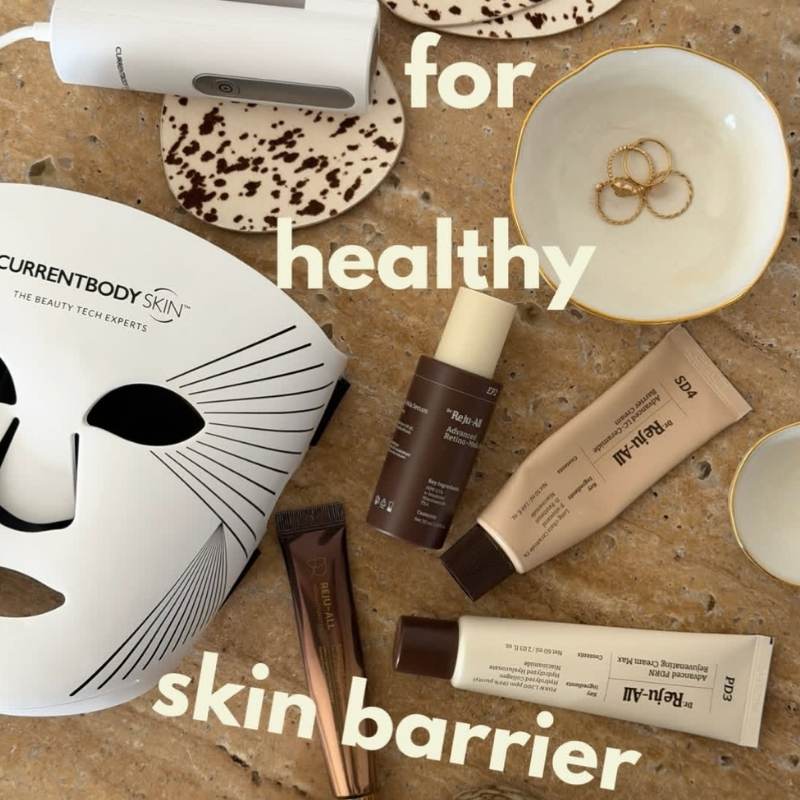
42. Focus on repairing your skin barrier first.
Your skin barrier is the protective outer layer that keeps moisture in and harmful irritants out. When it’s damaged, your skin can become dry, sensitive, and more prone to breakouts.
If your skin barrier isn’t healthy, even the best skincare treatments won’t work properly and may cause more irritation.
How to get clear skin:
Use gentle products with hydrating and barrier-supporting ingredients like ceramides, hyaluronic acid, and glycerin to help restore and strengthen your skin.
If your skin barrier is damaged I highly recommend the CurrentBody LED light therapy mask, It helps reduce wrinkles and inflammation. Also helps cell-regeneration which improves skin texture and barrier function.
Don’t Compare Your Results To Someone Else’s
Clear skin doesn’t come from using the most expensive products or following complicated routines, it comes from building healthy, consistent habits.
By taking care of your skin daily, choosing the right products for your skin type, and being patient with the process, you can create a routine that truly works for you.
And remember, if your acne continues despite your best efforts, consulting a dermatologist can help you get the personalized treatment and guidance your skin needs.



Comments +